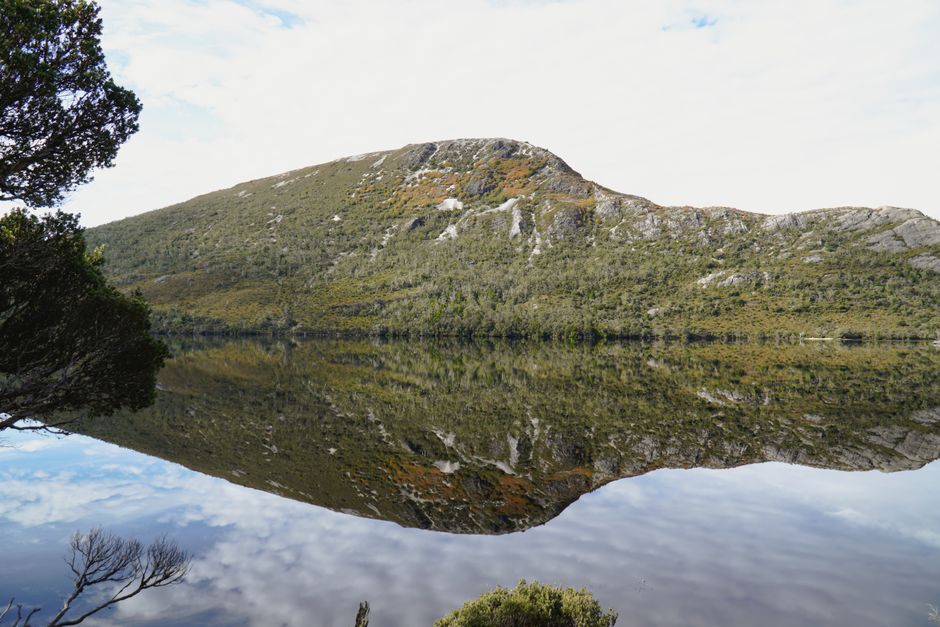
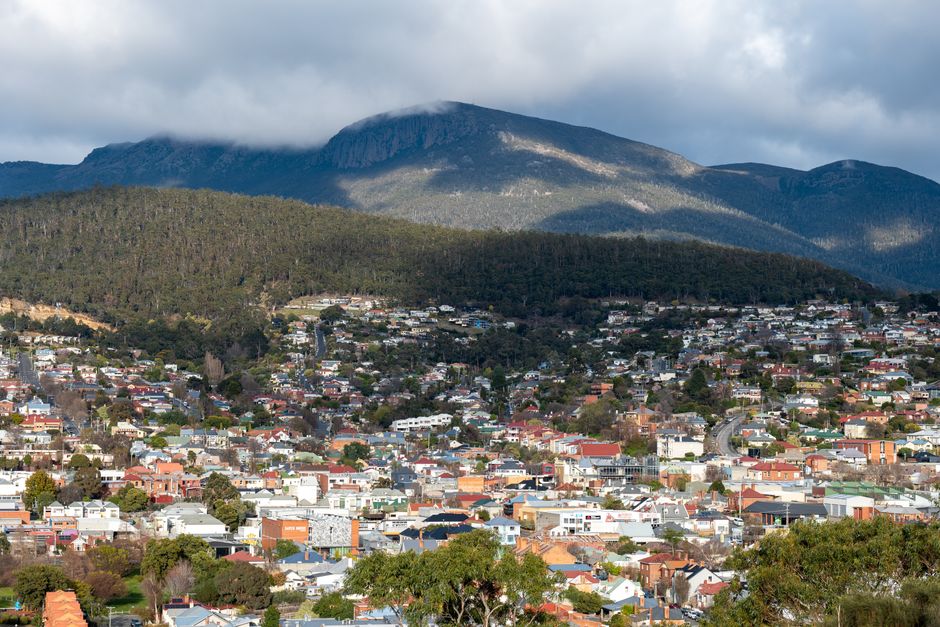
There's something about Tasmania's landscape that seems to invite pause. Whether it's the gentle rhythm of the Hobart waterfront or the towering presence of kunanyi/Mt Wellington, our island offers natural spaces uniquely suited to mindfulness practice. And locals are increasingly turning to meditation and mindful awareness to navigate the stresses of modern life.
Unlike trendy wellness fads, mindfulness has genuine research backing. Studies consistently show that regular meditation can help reduce anxiety, improve focus, and enhance overall emotional resilience. The good news? You don't need expensive apps or meditation retreats to start. Tasmania's own natural environment is your greatest teacher.
Start with what's around you
The Hobart parkrun community has long understood the meditative power of consistent movement in natural settings. But you don't need to run to be mindful. Try beginning your week with a 15-minute sit in one of Hobart's parks—perhaps the Botanic Gardens or a quieter spot along the Derwent. Notice five things you can see, four you can hear, three you can touch, two you can smell, and one you can taste. This grounding technique takes just minutes and requires nothing but your attention.
For those drawn to movement-based mindfulness, bushwalking—a Tasmanian tradition—is natural meditation. The gentle pace of a kunanyi trail naturally focuses the mind on breath, footfall, and surroundings. Even a 20-minute walk through local reserves can reset your nervous system.
Build a simple practice this week
Start small: choose one quiet spot near your home or workplace. It might be a park bench, a garden corner, or a quiet stretch of beach. Commit to five minutes, three times this week. Sit comfortably, close your eyes, and simply notice your breath—without trying to change it. When your mind wanders (it will), gently return attention to your breath. That's it.
If you're new to meditation, the University of Tasmania's health research resources include evidence-based information on mindfulness benefits. Several Hobart-based community groups also run free or low-cost meditation circles—check local notice boards and community Facebook pages.
If you're managing specific health concerns or anxiety, chat with your GP about how mindfulness might complement your care plan.
Tasmania's clean air, natural beauty, and slower pace are genuine advantages for building a sustainable meditation practice. You're already surrounded by the conditions that support calm. This week, simply step into them.
This article was compiled by AI from the sources linked above and screened before publishing. See our editorial standards.