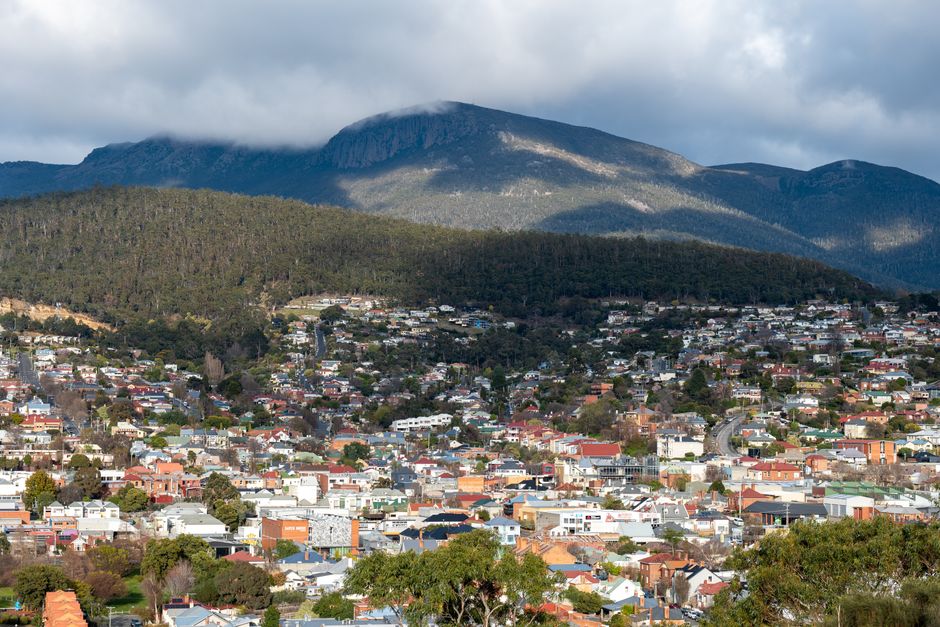
Tasmania's property landscape is experiencing a seismic shift, with Hobart's inner suburbs at the epicentre of a multi-billion dollar development boom that's reshaping how the state houses its growing population.
Recent planning approvals have unlocked approximately $2.8 billion in committed developments across Hobart's waterfront and inner-city precincts, including major mixed-use projects in South Hobart, Montagu Bay, and along the Derwent foreshore. These approvals represent the largest coordinated development pipeline in the capital's modern history, according to local planning authorities.
The surge follows years of lifestyle migration into Tasmania, with interstate buyers seeking affordable alternatives to Melbourne and Sydney. However, the unintended consequence has been dramatic price escalation. Hobart's median house price now sits at approximately $560,000—up 28 per cent in just three years—while premium suburbs like Sandy Bay and Battery Point command $850,000 to $1.2 million for comparable properties.
"We're seeing a fascinating paradox," says Sarah Chen, a Hobart-based property analyst. "New developments promise housing diversity, but construction costs and land values mean even new apartments aren't delivering affordability for young Tasmanians."
The pipeline includes 4,200 new residential units across multiple precincts, with particular focus on medium-density housing in underutilised areas near the waterfront. Montagu Bay's master plan will introduce 850 apartments and townhouses, while South Hobart's renewal corridor targets 620 units along the Huon Road spine. These projects aim to capture younger buyers and empty-nesters attracted to walkable urban neighbourhoods.
Launceston, meanwhile, is positioning itself as an affordable alternative, with median prices hovering around $420,000. The northern city has approved its own development framework targeting 1,200 new dwellings by 2030, primarily in suburbs like West Launceston and Riverside, where vacant industrial land offers genuine affordability opportunities.
Planning Minister Jane Wood emphasised that the approvals represent carefully balanced growth. "We're managing this boom thoughtfully," she said, noting that development agreements now include affordable housing quotas and infrastructure levies funding essential services.
Yet concerns persist among local community groups about rapid change, traffic impacts, and whether development actually delivers housing within reach of first-home buyers. Recent research suggests Hobart's tightest first-home buyer markets—including suburbs within three kilometres of the CBD—now require household incomes exceeding $140,000 for mortgage serviceability.
As Tasmania enters this new development era, stakeholders will watch closely whether the pipeline solves the housing crisis or simply builds expensive apartments for interstate migrants chasing lifestyle changes.
This article was compiled by AI from the sources linked above and screened before publishing. See our editorial standards.