The Nap Paradox: When Afternoon Sleep Helps Your Health—and When It Sabotages Your Night
A growing body of research shows that strategic daytime rest can boost wellness, but poorly timed naps can wreck your evening sleep and leave you feeling worse.
Our reporters are based in Tasmania and cover local government, business and community. We are independently owned and editorially independent. Read our editorial standards →
For many Tasmanians juggling work, family and outdoor pursuits—whether it's a weekend trek up kunanyi/Mt Wellington or training for Hobart Waterfront parkrun—afternoon fatigue is real. But before you surrender to that 3pm drowsiness, understanding when a nap helps and when it sabotages your night is crucial for genuine wellness.
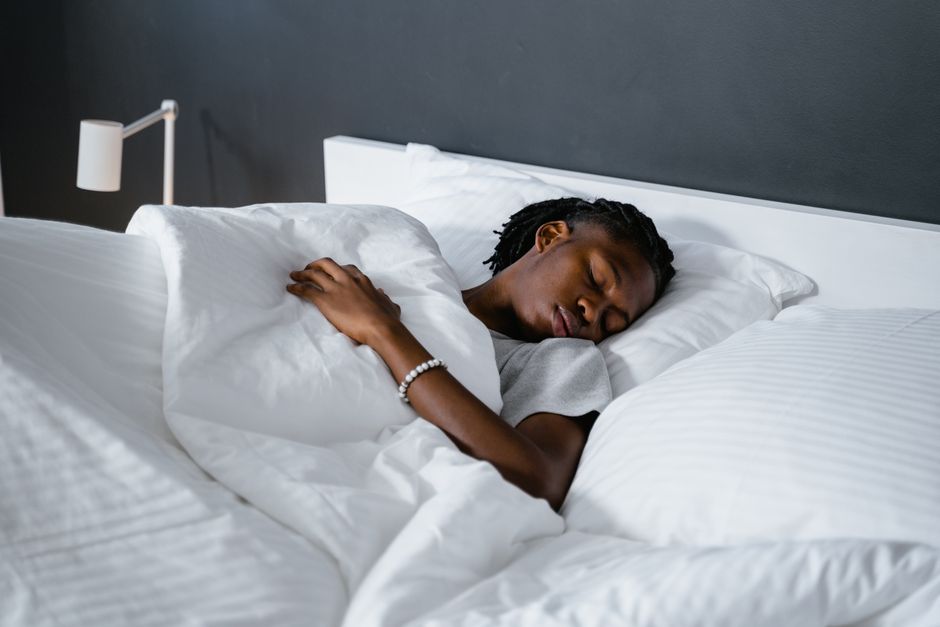
Recent sleep science reveals a clear divide. A short, strategic nap of 10–20 minutes, taken between 1pm and 3pm, can sharpen focus, improve mood and enhance physical performance—making it ideal for someone planning an evening hike or afternoon work deadline. "Power naps" at this duration don't push you into deep sleep, so you wake refreshed without grogginess. For shift workers, night-shift nurses at Hobart Hospital, or tradies working early starts near the northern suburbs, a planned 20-minute rest can genuinely improve safety and alertness.
The trouble begins when naps drift longer or happen too late. A 90-minute nap—long enough to complete a full sleep cycle—can leave you groggy for an hour afterward, a phenomenon called sleep inertia. Worse, napping after 4pm can substantially delay your nighttime sleep onset, especially if you're sensitive to afternoon light exposure. Since Tasmanian winter days are short, this timing becomes even trickier during June and July.
Location matters too. The UTAS Sleep and Chronobiology Laboratory has found that cool, dark environments promote better nap quality. If you're napping at home in South Hobart or Glebe, closing curtains and keeping the room at around 16–18°C mimics optimal conditions. Office naps at desks under fluorescent lighting? Far less effective, and they'll interfere with evening sleep.
Individual variation is significant. Some people are natural nappers; others find any daytime sleep destroys their night. Age, caffeine sensitivity, and underlying sleep debt all play roles. If you're chronically tired despite good nighttime sleep, that's worth discussing with your GP rather than treating with naps alone.
The practical takeaway: napping works when it's deliberate, brief and early-afternoon. Set a phone timer for 20 minutes. Avoid caffeine after 2pm. Keep your bedroom cool and dark at night to protect your main sleep anchor. For Tasmanians enjoying our clean air and outdoor lifestyle, daytime fatigue sometimes signals you're simply doing too much—and no nap fixes that like a genuinely restful night does.
If persistent tiredness concerns you, speak with your local GP about sleep patterns and wellness strategies tailored to your life.
This article was compiled by AI from the sources linked above and screened before publishing. See our editorial standards.