For many women in Tasmania, the years leading up to and through menopause can feel isolating. Hot flushes at the Hobart Waterfront, brain fog during work, sleep disruption—these experiences are real, but so too is the help available locally.
Perimenopause, which typically begins in women's 40s and can last 5–10 years, brings hormonal fluctuations that affect sleep, mood, bone health and energy. Menopause itself marks 12 consecutive months without a period. Yet many Tasmanian women report feeling unprepared and unsupported through these transitions.
The good news: specialist services are growing. The Tasmanian Women's Health Service, based in North Hobart, now offers dedicated perimenopause and menopause clinics with GPs trained in hormone therapy options, lifestyle modifications and mental health support. Initial consultations typically cost $150–200 (often partially covered by Medicare rebates with a referral). Royal Hobart Hospital's gynaecology department also runs education sessions quarterly, focusing on symptom management and long-term health planning.
Beyond medical appointments, community-led support is flourishing. The Tasmanian branch of Jean Hailes for Women's Health runs free information sessions in suburbs including Launceston, Sandy Bay and Glenorchy. Their website offers evidence-based resources on exercise, nutrition and hormone therapy—particularly valuable for women preferring natural approaches or exploring whether HRT is right for them.
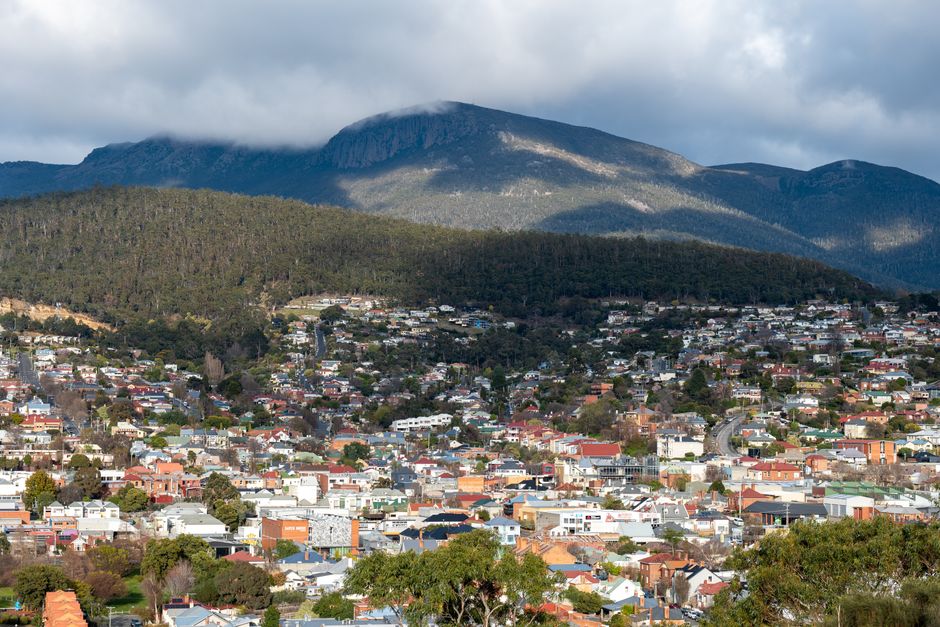
Local GPs increasingly recognise that movement and outdoor activity support menopausal wellbeing. Women's hiking groups regularly tackle kunanyi/Mt Wellington summit walks—a manageable 90-minute round trip that builds strength without impact stress on joints. The Hobart Waterfront parkrun, every Saturday at 8am, welcomes all fitness levels and has become an informal hub where women in midlife share experiences over coffee afterwards.
Nutrition also matters. Tasmania's clean-air eating culture—abundant local produce, seafood and plant-based options—naturally supports bone health, mood stability and weight management during menopause. Many local practitioners recommend consulting a dietitian experienced in women's health; expect $70–100 per session.
Mental health support is equally important. Beyond the Blues, a Tasmanian mental health service, recognises that mood changes during perimenopause can mimic depression. Subsidised counselling (typically $20–40) is available across Hobart, Launceston and regional areas.
If you're experiencing symptoms, start with your local GP, ask for a referral to a women's health specialist, and explore community groups. You're not alone, and support is closer than you might think.
For personal medical advice, consult your GP or call the Jean Hailes Women's Health Line: 1800 882 780.
This article was compiled by AI from the sources linked above and screened before publishing. See our editorial standards.