Tasmania has become one of Australia's most culturally significant destinations, a transformation driven in large part by the Museum of Old and New Art (MONA) and the cultural ecosystem that has grown around it. The state now hosts events that attract visitors from around the world and has fundamentally repositioned its cultural identity.
MONA
MONA in Berriedale, Hobart, is one of the world's most distinctive privately funded art museums. Founded by David Walsh, the museum holds a collection of provocative, challenging and often confronting contemporary and ancient art. The experience is deliberately designed to be unlike a conventional gallery visit. MONA has become one of Tasmania's most visited sites and a marker on international art tourism itineraries.
Dark Mofo
Dark Mofo is MONA's annual winter festival, typically running in June around the winter solstice. The festival blends art, music, food and ritual in ways that are distinctly Tasmanian. Burning events, immersive installations and outdoor concerts in Hobart's winter darkness have made it a genuinely unique cultural experience. The festival draws visitors from across Australia and internationally.
MONA FOMA
MONA FOMA (MOFO) is the summer counterpart, typically held in Launceston and Hobart in January-February. The program spans avant-garde music, performance art and installations. Both festivals are artist-curated in a way that distinguishes them from more commercially oriented Australian festivals.
Broader cultural scene
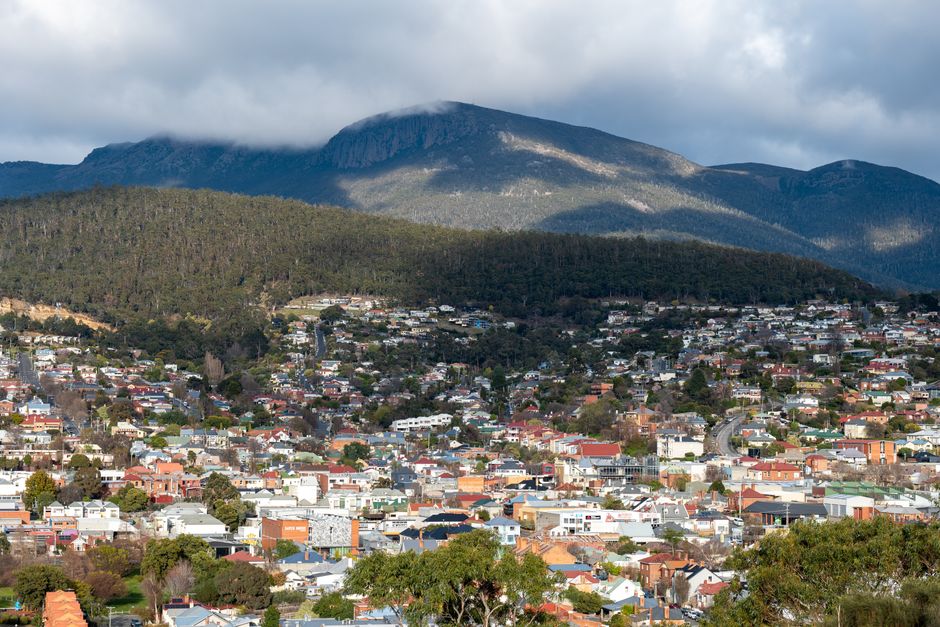
The Tasmanian Museum and Art Gallery (TMAG) in central Hobart provides a more traditional collection experience. The Salamanca Arts Centre and weekly Salamanca Market are anchors of Hobart's cultural and social life. The arts scene has attracted a community of artists and creatives who have relocated to the state.
This article was compiled by AI from the sources linked above and screened before publishing. See our editorial standards.