Tasmania's property market is moving fast. Median prices sit around $560,000, and while experts warn against panic-buying, the reality for first home buyers is clear: you need a deposit, and you need it sooner rather than later.
The gap between aspiration and deposit reality is real. A 10 per cent deposit on a $450,000 property in emerging suburbs like Riverside or Glenorchy means saving $45,000. On average Tasmanian wages, that's not a quick sprint—it's a marathon. But there are proven tactics to accelerate your timeline.
Focus on the savings rate, not just savings
First home buyers often underestimate how quickly small lifestyle changes compound. Diverting $100 per week into a dedicated offset account adds $5,200 annually. Over three years, that's $15,600 before interest. Apps like YNAB or Money Brilliant help track where your money actually goes—many people discover $150+ monthly in subscription drift or discretionary spending.
Leverage government support strategically
Tasmania's First Home Owner Grant provides up to $20,000 for new builds or substantial renovations, and $15,000 for established properties under $500,000. Combined with the First Home Saver Scheme (allowing concessional contributions to superannuation), you can effectively reduce your cash deposit requirement by $35,000 or more. Don't overlook the $15,000 HomeBuilder grant eligibility either—some first buyers qualify for multiple schemes.
Target realistic entry suburbs
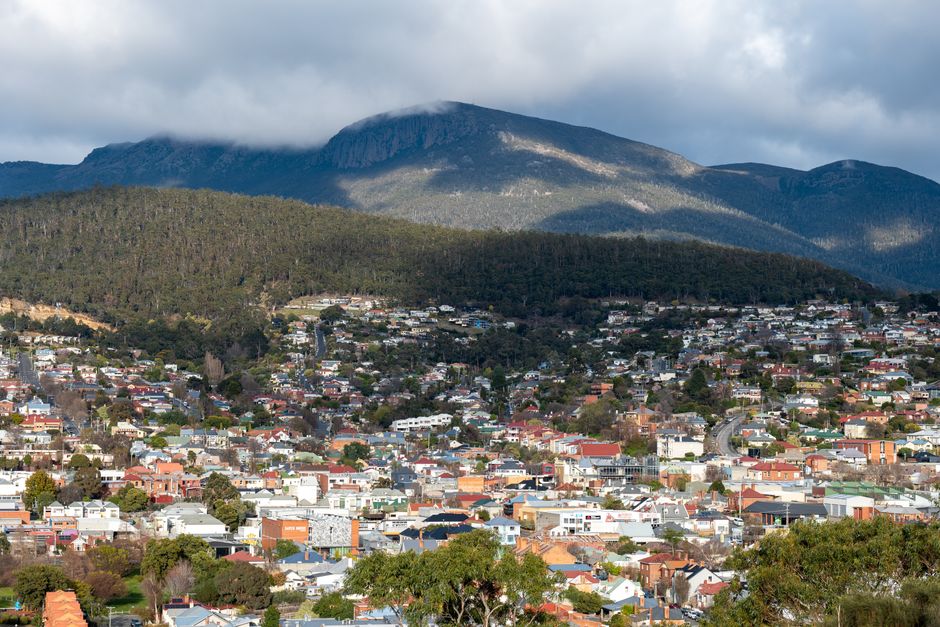
Battery Point and Sandy Bay command premiums ($700k+), but Launceston's emerging Northern Suburbs, or South Hobart's Fern Tree neighbourhood, offer more achievable entry points around $400–480k. Properties near Domain Park in South Hobart, or around Charles Street in Launceston, deliver lifestyle appeal without the Sandy Bay price tag. This isn't settling—it's strategic.
Consider shared equity or guarantor options
Some lenders now accept genuine family guarantors on Tasmanian mortgages, reducing your required deposit to 5 per cent. Combined with grants, this could see you enter the market with as little as $15–20,000 in cash, rather than $45,000.
The timing question
Yes, prices are stable rather than crashing. But that's exactly why now matters. Every month you delay is another month of rent, and rent rarely moves downward. A $450,000 purchase at 6 per cent over 30 years costs roughly $2,700 monthly in principal and interest—often less than rent, especially in suburbs like Glenorchy or Kingston.
The market isn't waiting. Your deposit strategy shouldn't either.
This article was compiled by AI from the sources linked above and screened before publishing. See our editorial standards.