The Tasmanian property investment landscape has shifted dramatically over the past three years. With median values hovering around $560,000 and interstate buyers chasing lifestyle upgrades, a new question has emerged for portfolio holders: does a Hobart holiday rental or a Launceston long-term lease serve the bottom line better?
The numbers tell a nuanced story. Holiday rental operators in premium pockets like Battery Point and Sandy Bay can command $180–$250 per night during peak summer months (December–February), translating to roughly $25,000–$35,000 annually if occupancy reaches 50–60%. A comparable property on a long-term lease in the same suburbs yields 4–5% gross, or $22,400–$28,000 on a $560,000 valuation. Superficially, short-term wins.
But volatility is the catch. Holiday rental income collapses outside summer. Winter months see occupancy plummet to 20–30%, and unexpected cancellations, platform fees (typically 16–24%), and higher maintenance costs erode margins swiftly. Hobart's winter auction market may be competitive, but seasonal tourism swings make forecasting treacherous. A burst pipe in July means lost bookings; a long-term tenant simply pays rent.
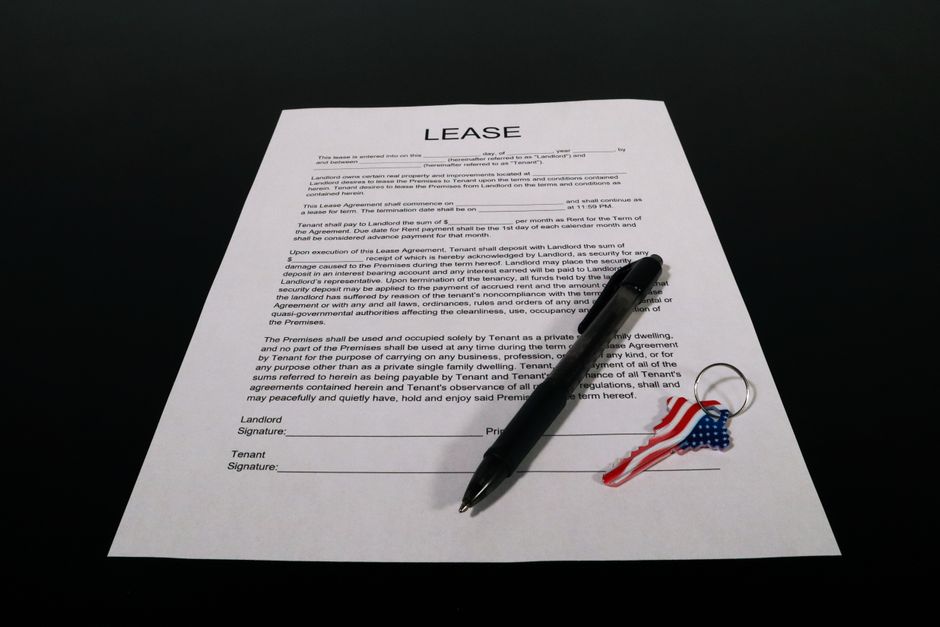
Long-term leasing, by contrast, delivers predictable cash flow. A property leased at $2,100–$2,400 monthly across greater Hobart or inner Launceston (where rental demand is accelerating) guarantees income regardless of season. Tenancy law provides clarity, insurance is cheaper, and your time commitment is minimal. Tasmania's rental shortage, fuelled by lifestyle migration and interstate workers, has kept vacancy rates low and rents firm.
Emerging precincts like Launceston's Invermay and inner suburbs such as Trevallyn are where long-term investors should pivot. Growing professional populations and university expansion have lifted local rents to $1,900–$2,200 monthly, undercutting Hobart by 10–15% while maintaining solid yields on lower purchase prices.
The tax picture matters too. Holiday rental deductions—cleaning, marketing, property management—can offset income, but depreciation and capital works claims apply equally to long-term rentals. The real advantage lies in simplicity: long-term tenants mean fewer moving parts and lower audit risk.
For most Tasmanian investors, the sweet spot is hybrid: own one long-term rental for steady base income, then trial a second property as a holiday let if you have appetite for management. But if capital and patience are finite, a long-term lease in Launceston or regional Hobart offers better sleep at night and fewer surprises come July.
This article was compiled by AI from the sources linked above and screened before publishing. See our editorial standards.