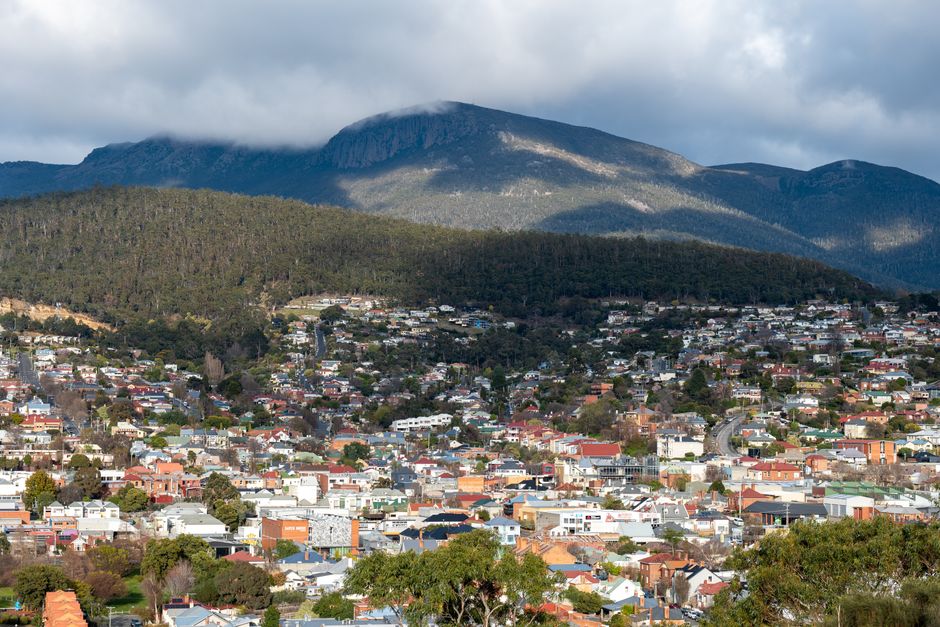
In a state where lifestyle migration has inflated Sandy Bay and Battery Point into the stratosphere, a quieter suburb south of Hobart is delivering the kind of rental yields that make property investors sit up and take notice.
Glenorchy, long overshadowed by its more glamorous neighbours, is now posting gross rental yields of 5.8–6.2 per cent—significantly ahead of Hobart's median of 4.1 per cent. For an investor buying a three-bedroom weatherboard on, say, Magra Street or Rifle Range Road at around $480,000, that translates to annual rental income of $27,840 to $29,760 before expenses. The mathematics are compelling for those priced out of the Sandy Bay sprint.
The suburb's appeal lies in a perfect storm of affordability, demand, and demographic tailwinds. Glenorchy remains a working neighbourhood with genuine community infrastructure: the Glenorchy Shopping Centre anchors local commerce, while proximity to the Derwent River and accessible parks like Wilkinson Park attract young families and interstate migrants seeking value over postcodes.
Unlike the speculative frenzy that has gripped Battery Point—where median prices have breached $800,000 and yields hover near 3 per cent—Glenorchy's market remains fundamentally driven by rental demand. The suburb consistently records low vacancy rates, typically under 2 per cent, because renters cannot afford to live where investors are buying.
Tasmania's lifestyle migration boom has inadvertently created this arbitrage. Workers relocating from Melbourne and Sydney can afford to buy in prestige suburbs, pushing prices higher and yields lower. Meanwhile, the people who work in hospitality, healthcare, and trades—the engine room of Hobart's economy—increasingly rent in affordable suburbs like Glenorchy, pushing demand and keeping tenancy rates healthy.
Real estate agents note that investor enquiry has picked up noticeably in the past 18 months. A three-bedroom, one-bathroom cottage that might have attracted owner-occupier interest five years ago now draws portfolios of investor calls within days of listing.
Of course, Glenorchy is not without challenges. Schools here are solid but not exclusive; it lacks the cachet of wealthier suburbs; and property appreciation has been modest compared to hotspots like Launceston's suburbs. For buy-and-hold investors chasing capital growth, this matters less than for those betting on price momentum.
For investors aged 40 and above seeking reliable income streams rather than rapid asset inflation, Glenorchy's case is increasingly hard to ignore. In a state where the median property sits around $560,000, finding genuine yield in that price range is rarer than a sunny June day.
This article was compiled by AI from the sources linked above and screened before publishing. See our editorial standards.