Glenorchy's new transport spine transforms a forgotten corridor into Tasmania's hottest growth suburb
New bus rapid transit and retail precincts are unlocking dormant value in the southern gateway, with median prices climbing 12% as investors and young families discover the commute advantage.
Our reporters are based in Tasmania and cover local government, business and community. We are independently owned and editorially independent. Read our editorial standards →
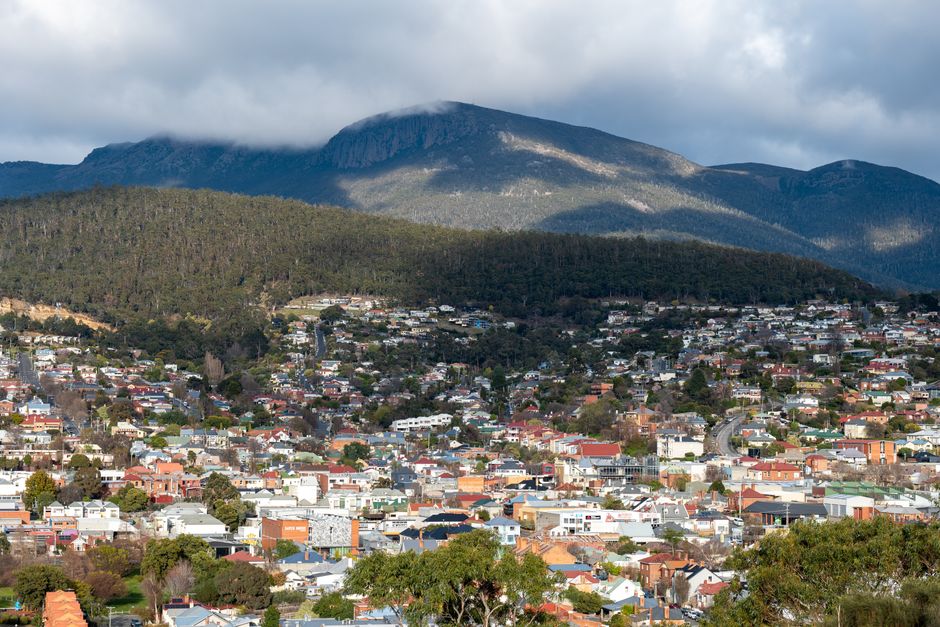
When the Glenorchy Transit Spine project reaches completion later this year, the suburb's 15,000 residents won't just gain faster trips to the CBD—they'll inherit one of Tasmania's most compelling property stories. Already, smart money is positioning itself ahead of the transformation.
Glenorchy has spent decades as a thoroughfare: travellers passed through on the way to Hobart's golden postcards, Sandy Bay's waterfront premiiums, or the Southwest wilderness. Yet median prices have climbed to $495,000 in the past 18 months, a 12% jump that reflects investor recognition of what planners knew all along. Infrastructure drives value.
The centrepiece is a dedicated bus corridor running the length of Main Road, integrating with three new transport hubs designed to service residential growth nodes around Prossers Road and the expanding Glenorchy Central precinct. Journey times to Hobart CBD will compress to 15 minutes. For first-home buyers priced out of inner suburbs—where a median dwelling now sits near $680,000—the calculus is simple: save $150,000–$200,000 and cut commute stress.
But infrastructure alone doesn't seal the deal. The real catalyst is mixed-use development. A $40-million retail and civic hub opened in stages from late 2025, anchored by a new library, community spaces, and local retail. These aren't afterthoughts; they're magnets for younger demographics and small business operators seeking affordable entry points. Property along the spine—particularly the Anglesea Street and Main Road corridor—has become the suburb's premium tier.
"We're seeing investor inquiries we've never seen before," says one local agent, who reports 60% of recent sales to owner-occupiers aged 25–40, a demographic historically absent from Glenorchy's buyer profile. Young families are drawn to the newer housing stock, parkland improvements including Algona Reserve upgrades, and schools within walkable distance.
The risks are modest but real. Glenorchy's historical identity—industrial, working-class, less fashionable than Sandy Bay—won't evaporate overnight. But infrastructure-led regeneration works. Look at what's happened in Launceston's Inveresk precinct or Hobart's Macquarie Point. Once the transport spine fully integrates with community infrastructure, Glenorchy won't be a corridor anymore. It'll be a destination. For investors watching from the sidelines, the window to buy before the full rerating is closing fast.
This article was compiled by AI from the sources linked above and screened before publishing. See our editorial standards.