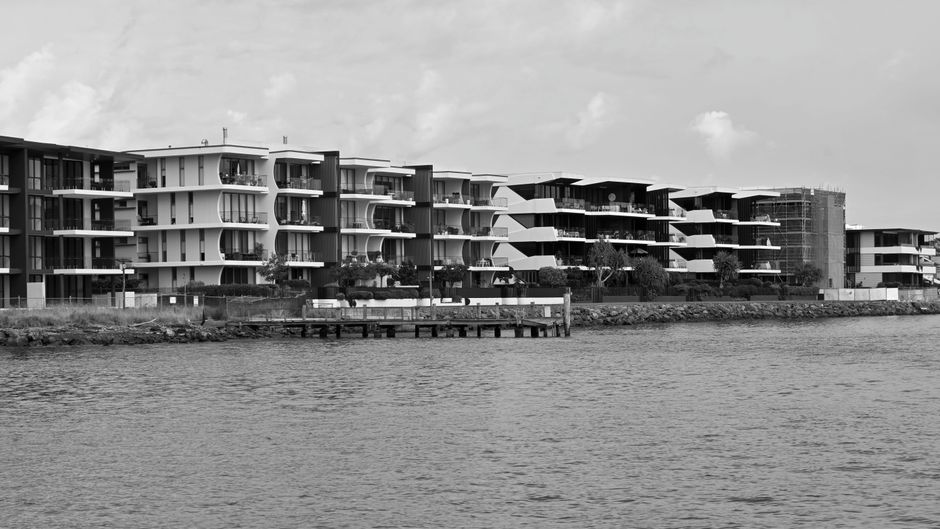
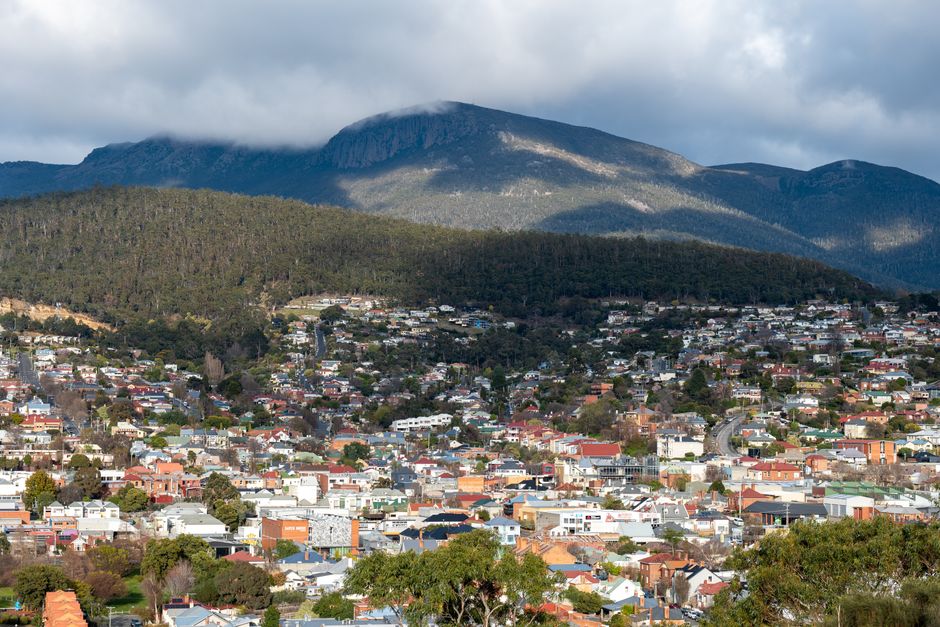
A waterfront residence overlooking the Derwent River in Sandy Bay sold for $2.11 million in mid-June, marking the state's highest transaction of the month and underscoring a peculiar truth about Tasmania's auction market: premium properties and everyday homes are increasingly playing by different rules.
The four-bedroom property, situated on nearly half a hectare with direct water access and native garden, sold under the hammer after sustained bidding. While the sale demonstrates continued appetite for lifestyle-oriented luxury real estate—a hallmark of Tasmania's migration boom—it has done little to buoy clearance rates or confidence in the broader market below $700,000, where most first-home buyers and upgraders operate.
June clearance rates across greater Hobart and Launceston hovered around 64 per cent, down from 71 per cent in May. That softening reflects a market splintering at the middle: properties in Battery Point, Lenah Valley, and prestige Sandy Bay neighbourhoods remain competitive and often exceed reserve, while identical-sized homes five kilometres inland attract fewer bidders and longer selling periods.
"We're seeing two distinct markets now," says one Hobart auctioneer, speaking on condition of anonymity. "Buyers with $1.8 million and above are trophy hunting. Below $600,000, it's a different conversation—that's where first-home buyers are vulnerable and where stock sits longer."
The Sandy Bay result, while headline-grabbing, shouldn't be misread as a broad signal. The property's rarity—waterfront, subdivision potential, proximity to Sandy Bay primary school and Cascade Reserve—places it outside comparable analysis for the median Tasmanian property, which hovers around $560,000. Yet it does confirm that wealthy lifestyle migrants and downsizing professionals remain willing to pay premium multiples for permanent-view real estate near Hobart's inner suburbs.
Launceston continues to offer alternative appeal. Mid-market properties ($450k–$650k) in suburbs like Riverside and Peppermint Hill are clearing at higher rates than comparable Hobart stock, a pattern consistent through 2026. That trend may yet reshape buyer geography across the state.
For those watching Tasmania's property temperature, June's highest sale tells a reassuring story for the privileged few—but a cautionary one for the many. Until clearance rates stabilise below the $700,000 mark, the market's true health remains uncertain.
This article was compiled by AI from the sources linked above and screened before publishing. See our editorial standards.