Whether you're stuck in traffic on the Tasman Bridge during peak hour or facing a demanding afternoon at work, stress can hit fast. But neuroscientists have long understood that our breath is one of the quickest ways to signal our nervous system to downshift. Unlike meditation, which requires dedicated time and a quiet space, breathwork techniques can be deployed instantly—at your desk in the CBD, on a park bench in Battery Point, or even in your car before that important meeting.
The physiological mechanism is straightforward: when we slow our exhale longer than our inhale, we activate the parasympathetic nervous system, which counters the fight-or-flight response triggered by stress. "The beauty of breathwork," explains a UTAS wellness researcher familiar with Tasmanian workplace stress studies, "is that it requires zero equipment and works within seconds."
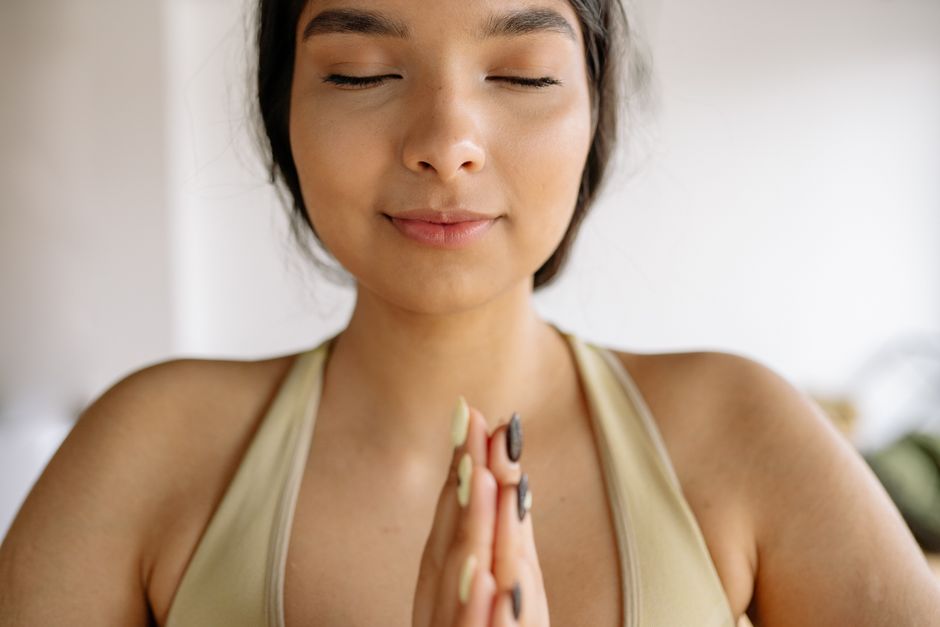
The 4-7-8 technique is perhaps the most accessible. Breathe in through your nose for a count of four, hold for seven, then exhale through your mouth for eight. Repeat four times. This works anywhere—the Hobart Waterfront during your lunch break, or in the car park at Westfield Hobart before tackling your shopping list.
Box breathing, used by military personnel and emergency responders, is equally simple: inhale for four counts, hold for four, exhale for four, hold for four. Repeat five to ten times. Many Tasmanians practising this during their parkrun warm-up at the Hobart Waterfront report feeling grounded before their timed run.
The final technique, alternate nostril breathing, involves closing one nostril and inhaling, then switching sides for the exhale. This balances both brain hemispheres and is particularly effective when stress makes you feel scattered. It takes just two minutes and requires no props.
Local wellbeing practitioners across Hobart, from Sandy Bay to Bellerine Street, increasingly recommend these techniques to clients managing work stress and anxiety. The investment is nil—they're free and portable—yet the neurological benefits rival meditation apps costing $15–20 monthly.
The key is consistency. Like the everyday exercises gaining traction nationally, breathwork builds resilience when practised regularly, not just during crisis moments. Even a 60-second breathing reset before a difficult conversation or deadline can shift your entire nervous system state.
For persistent anxiety or stress-related concerns, consult your local GP. But for the everyday overwhelm of modern life, your breath remains your most underutilised tool.
This article was compiled by AI from the sources linked above and screened before publishing. See our editorial standards.