Demand for mental health support in Tasmania has grown significantly in recent years, reflecting national trends toward greater awareness and reduced stigma around seeking help. In 2026, Tasmanians have access to a broader range of services than in previous decades, though wait times for specialist care remain a challenge in many parts of the state. The most common entry point to mental health support in Tasmania is through a General Practitioner, who can develop a Mental Health Care Plan under the Medicare Benefits Schedule. This plan provides eligible patients with a referral for up to 10 subsidised individual sessions per calendar year with a registered psychologist or other allied mental health professional. A GP referral is required, and the plan should be reviewed after the first six sessions.
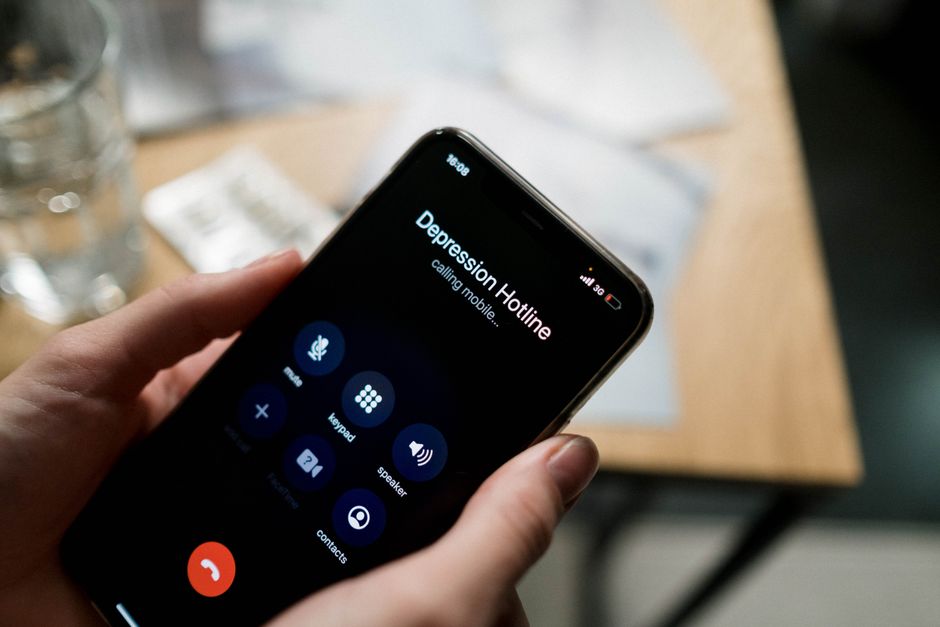
For anyone experiencing a mental health crisis or needing to talk to someone urgently, several key helplines operate around the clock. Lifeline provides 24-hour crisis support and suicide prevention services on 13 11 14 and via online chat at lifeline.org.au. Beyond Blue offers 24-hour support for anxiety, depression and related conditions on 1300 22 4636 and via online chat. The Suicide Call Back Service, available on 1300 659 467, provides professional telephone and video counselling for people at risk of suicide and those supporting them. Headspace, with centres in Hobart and Launceston, provides free or low-cost mental health services specifically for young people aged 12 to 25. Kids Helpline (1800 55 1800) is available for children and young people up to age 25, seven days a week. Veteran and emergency services personnel can access Open Arms on 1800 011 046.
Community mental health services in Tasmania provide an important layer of support beyond GP and psychologist care. Flourish Australia operates community-based mental health support programs in Hobart, Launceston and Burnie, providing recovery-oriented support for people living with mental illness. The Hobart Community Legal Service and North West Community Legal Centre provide legal assistance to people whose mental health challenges intersect with legal issues including housing, family law and employment. Neami National delivers supported housing and outreach programs for people with complex mental health needs across the state. For those in rural and remote parts of Tasmania, telehealth psychological services have expanded significantly and represent an accessible alternative to in-person care for those in areas including the Tasman Peninsula, the west coast and the far north-west.
Workplace mental health has become a growing focus for Tasmanian employers and employees alike in 2026. The Safe Work Australia guidelines on psychosocial hazards in the workplace now require employers to proactively identify and manage work-related factors that can contribute to mental ill-health, including excessive workload, poor workplace relationships and lack of role clarity. Many Tasmanian businesses have implemented Employee Assistance Programs (EAPs), which provide confidential counselling and wellbeing support to employees and their immediate family members at no cost. Peer support programs, where trained colleagues offer a first point of contact for those struggling, are also gaining traction in larger Tasmanian organisations. Fostering a culture where it is safe to talk about mental health remains the most important determinant of whether workplace mental health initiatives actually help people.
This article was compiled by AI from the sources linked above and screened before publishing. See our editorial standards.