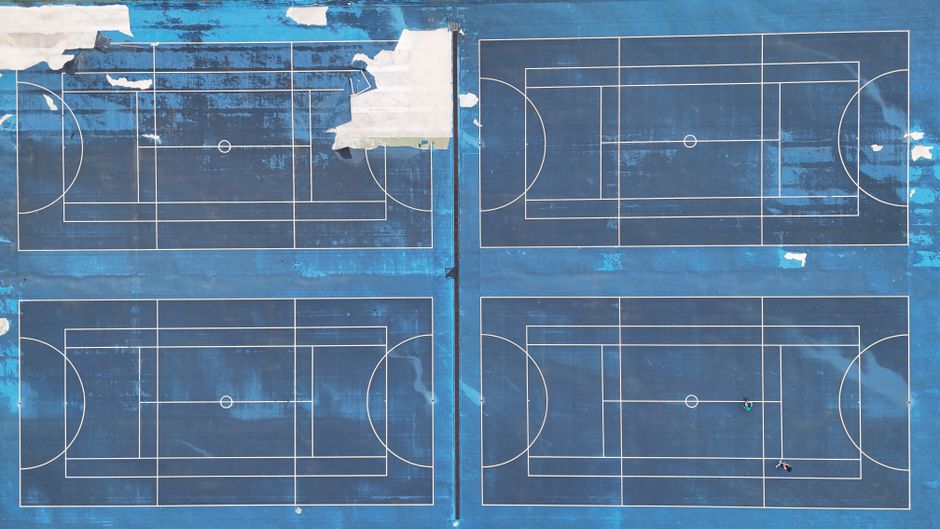
Tasmania's fitness landscape has undergone a dramatic transformation over the past three years, with investment in dedicated training facilities fundamentally changing how locals approach sport and wellbeing. The shift reflects a broader recognition that world-class infrastructure underpins thriving athletic communities.
Along the Hobart waterfront, a cluster of premium fitness venues now anchors the city's fitness culture. The newly expanded Elizabeth Street Fitness Complex, which opened its second training floor in early 2025, now hosts over 2,800 active members and features Olympic-standard weightlifting platforms, a 25-metre indoor pool, and dedicated CrossFit and functional movement zones. Annual membership sits at approximately $890, positioning it competitively within Australia's major cities.
Beyond the CBD, suburban neighbourhoods are witnessing their own fitness renaissance. New Town's Recreation Road has emerged as a secondary fitness hub, with three independent gyms within a 400-metre radius catering to different training philosophies—from powerlifting-focused facilities to boutique wellness studios. This distribution has reduced commute times for outer suburbs and fostered grassroots fitness communities that extend beyond traditional gym membership.
Boxing and combat sports infrastructure has particularly flourished. The Glenorchy Boxing Academy on Main Road now trains approximately 180 active competitors, up 65 per cent since 2023, supported by professional-grade ring facilities and coaching credentials that attract interstate athletes during winter training blocks.
The state government's $14.3 million Community Recreation Infrastructure Fund, allocated in the 2024 budget, has directly enabled upgrades to council-managed facilities across regional areas. Towns including Launceston and Devonport now feature renovated community gyms with modern cardio equipment and strength zones, ensuring access isn't concentrated in Hobart.
Facility managers report sustained growth in participation across demographics. Off-peak memberships—popular with shift workers and early retirees—have grown 42 per cent annually, suggesting infrastructure improvements are democratising fitness access rather than simply catering to traditional gym audiences.
However, challenges remain. Waiting lists for beginner strength coaching now extend 6–8 weeks at premium facilities, and cold-water recovery facilities—increasingly standard at elite training venues—remain limited to three dedicated venues state-wide. Industry observers suggest continued investment in coaching infrastructure and recovery amenities will be essential as demand outpaces supply.
For Tasmania's emerging athletes and fitness enthusiasts, the message is clear: local infrastructure is no longer a limiting factor. World-class facilities are now within reach, positioning the state competitively within Australia's fitness economy.
This article was compiled by AI from the sources linked above and screened before publishing. See our editorial standards.