Walk through the streets of South Hobart on any weekday afternoon and you'll witness the invisible architecture of Tasmania's sporting identity: children streaming into courts, parks filling with evening joggers, community halls buzzing with amateur athletes preparing for regional competitions.
This grassroots momentum didn't emerge overnight. It's the result of sustained investment by neighbourhood sporting clubs, volunteer-run associations, and local councils determined to embed physical activity into the fabric of everyday life. The Tasmanian Sports Foundation estimates that more than 47,000 residents—roughly 8 percent of the population—participate in organised community sport weekly, a figure that has grown steadily over the past fifteen years.
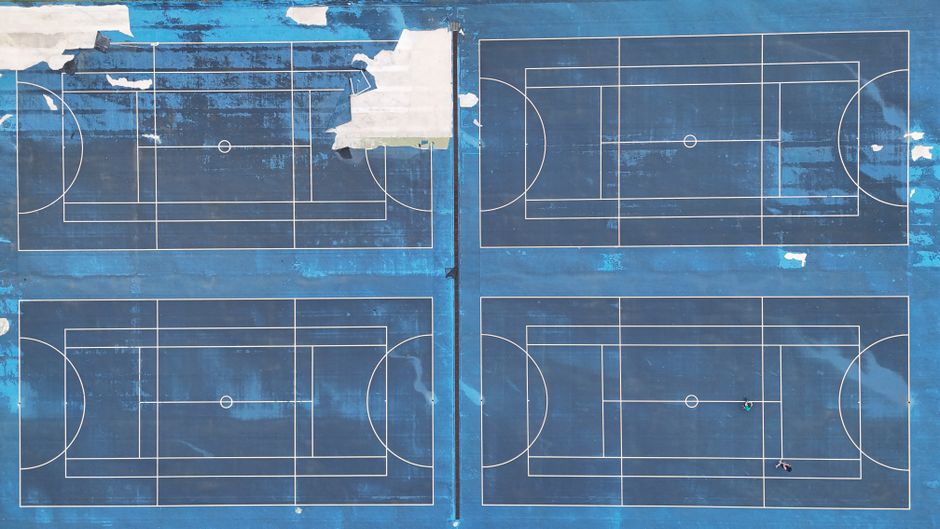
Venues like the Clarence Reserve Complex, nestled between residential streets in the northern suburbs, exemplify this philosophy. What appears as standard municipal infrastructure represents hundreds of volunteer hours, grassroots fundraising campaigns, and parent-led initiatives that transformed paddocks into multi-sport facilities. The complex hosts seventeen different community sporting organisations, from junior cricket clubs to disability-inclusive netball programs, at costs deliberately kept accessible: junior memberships start at just $85 per season.
"The real story isn't the big stadiums," explains one long-serving community sports coordinator (who requested anonymity). "It's the parent who volunteers on Saturday mornings, the retired teacher coaching junior athletics, the local business owner sponsoring the under-12s netball team."
Similar narratives play out across suburbs like Glenorchy, where the Ferntree Gully Sports Precinct now serves fourteen community organisations, and Battery Point, where converted heritage buildings now house fitness collectives and amateur sporting leagues. These spaces emerged from deliberate community advocacy—residents petitioning councils, sports clubs pooling resources, and volunteers managing facilities with budgets that would seem impossibly tight by professional standards.
The economic impact extends beyond participation figures. The Tasmanian Community Sport Alliance reports that grassroots sporting infrastructure generates approximately $240 million annually in indirect economic activity—through facility management jobs, retail spending by participants, and volunteer-driven social cohesion that strengthens neighbourhoods.
As Tasmania positions itself on the international sporting calendar, hosting regional championships and attracting touring squads, these community foundations remain essential. They're not merely feeders for elite athletes; they're social infrastructure, places where neighbours become teammates, where young people discover belonging, and where the value of sport transcends trophies.
The real measure of Tasmania's sporting culture isn't the capacity of its stadiums—it's the number of neighbourhood courts that light up each evening, the volunteer committees meeting in local halls, and the communities that have collectively decided sport belongs to everyone.
This article was compiled by AI from the sources linked above and screened before publishing. See our editorial standards.