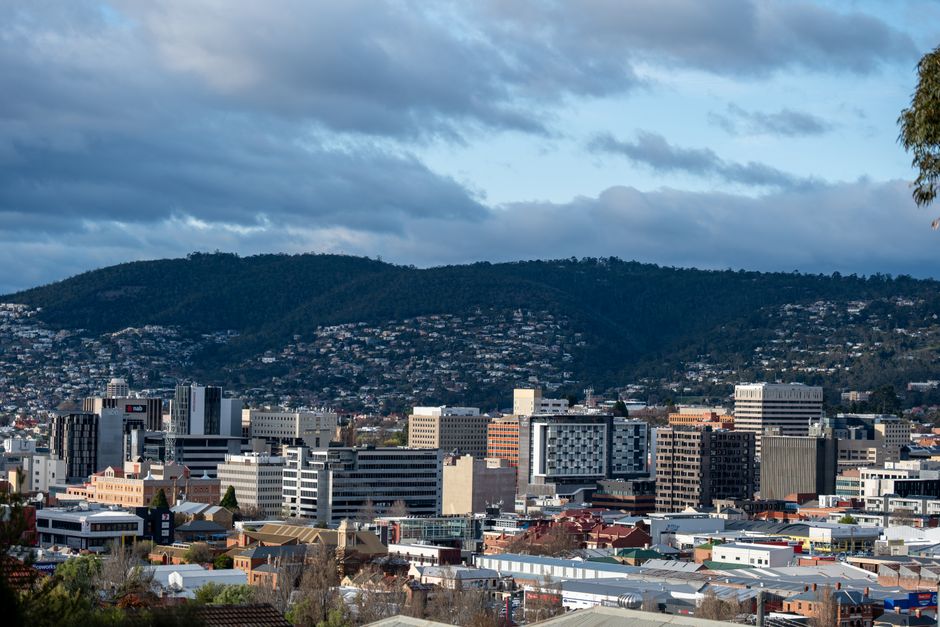
Across Hobart's prime postcodes, a quiet shift is underway. Properties listed for auction are increasingly selling beforehand—a trend that hints at both vendor confidence and the end of the frenzy that defined Tasmania's pandemic boom.
Last month, a three-bedroom weatherboard home on Regent Street in Battery Point sold for $875,000 just days before its scheduled auction. A month earlier, a renovated cottage near the Huon River frontage in Franklin received an acceptable pre-auction offer at $725,000 and was withdrawn from the block. In Launceston, a newly renovated worker's cottage on Invermay Road sold for $595,000 before its auction could proceed.
The pattern reflects a market stabilising after years of extreme competition. "We're seeing genuine offers now, not just window shopping," says one local agent, who notes that pre-auction sales account for roughly 15–20 per cent of their current listings—up from about 8 per cent two years ago.
Why are vendors accepting early? Several factors converge. First, certainty matters more than chasing the absolute top dollar. With interest rates holding steady and the national conversation turning toward affordability crises in Geelong and regional Queensland, Tasmanian sellers are increasingly risk-averse. A guaranteed $560,000 today beats the gamble of an uncertain auction result.
Second, spring auctions are more crowded than ever. As Victoria's new-build sector collapses to decade lows and southern buyers eye Tasmania's lifestyle appeal, local auction calendars are packed. Vendors recognise that standing out is harder, and accepting a solid offer before competition peaks is rational.
Third, the profile of buyer has changed. Migration-driven demand—young families and retirees relocating from Melbourne—has stabilised. These purchasers are methodical, willing to negotiate, and less likely to get caught up in auction-day fever. They often represent genuine owner-occupier demand rather than investor speculation.
The trend is strongest in established suburbs: Sandy Bay, Hobart's inner north, and Launceston's renovated pockets. New-build suburbs, by contrast, remain auction-heavy—largely because developers can afford to wait and because off-the-plan buyers expect the process.
Clearance rates, when auctions do proceed, remain solid at 68–72 per cent across the greater Hobart region. But the growing cohort of pre-auction sales suggests that figure understates overall market activity. Many strong properties never reach the rostrum.
For buyers, this creates opportunity. Properties selling before auction often move without the visibility of a formal campaign, meaning less competition for informed purchasers. For vendors, the message is pragmatic: in a market that's maturing, a certain bird in hand is increasingly preferable to two in the Tasmanian spring.
This article was compiled by AI from the sources linked above and screened before publishing. See our editorial standards.