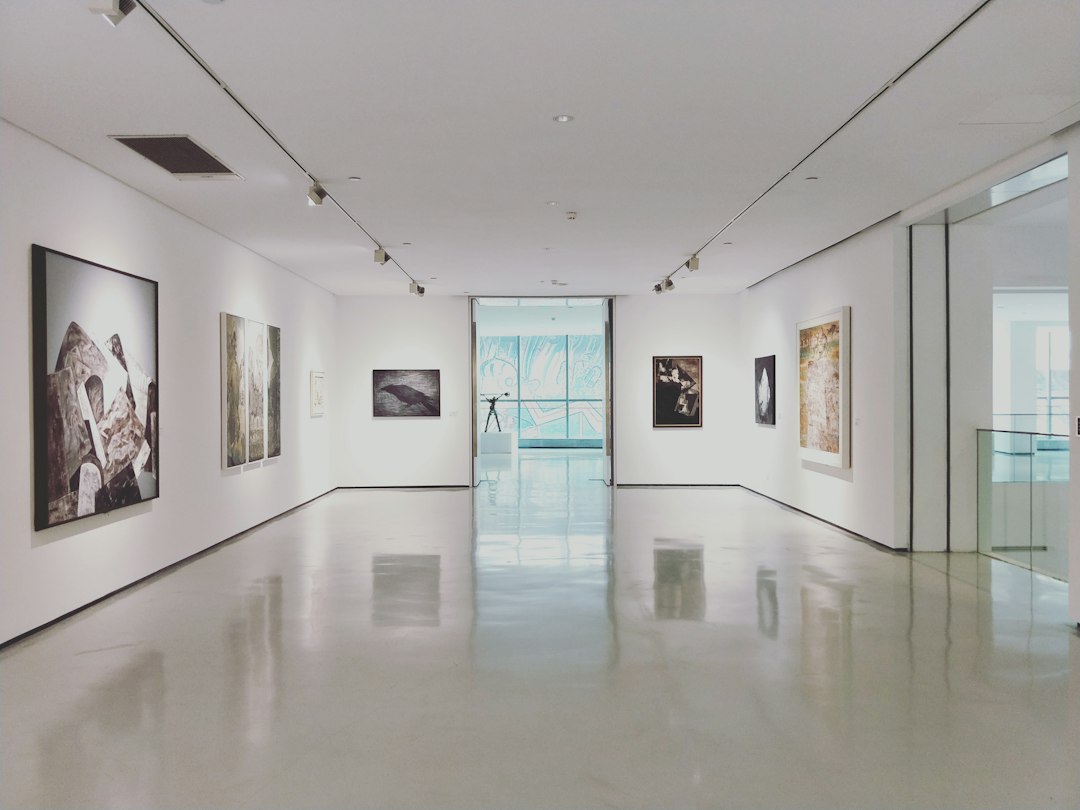
Tasmania's cultural life has undergone a transformation of global significance since MONA opened in 2011 — the museum has reshaped the island's self-image, its tourism economics, and its cultural ambition in a way that a single institution has rarely achieved in a comparable timeframe anywhere in the world.
MONA — Museum of Old and New Art — the private museum funded by David Walsh's professional gambling winnings is simultaneously the most provocative, the most discussed, and the most visited museum in Australia. The underground galleries, the deliberately contentious programme, and the MONA FOMA and Dark Mofo festivals have made Hobart a major international cultural destination and changed what Tasmania believes about itself.
Dark Mofo (June) — the winter solstice festival programmed by Leigh Carmichael for MONA presents the international dark contemporary arts programme — performance, music, film, installation — in Hobart's mid-winter. The nude solstice swim in the Derwent, the giant bonfire, and the deliberately challenging programme have created the most talked-about arts festival in Australia.
Hobart's gallery scene — Franklin and Salamanca — the Franklin Square gallery precinct and the Salamanca Arts Centre provide the accessible contemporary Tasmanian visual arts scene, with the Saturday Salamanca Market context creating a gallery-hopping experience that the historic sandstone warehouses amplify beautifully. Despard Gallery and Bett Gallery are the significant commercial galleries.
Tasmanian Symphony Orchestra — the TSO is Australia's oldest symphony orchestra (1948) and provides Hobart with a world-class classical music programme. The TSO's Odeon Theatre concerts and the MONA FOMA collaborations create a classical music culture that Tasmania's population alone would struggle to sustain but its cultural ambition has chosen to support.
This article was compiled by AI from the sources linked above and screened before publishing. See our editorial standards.