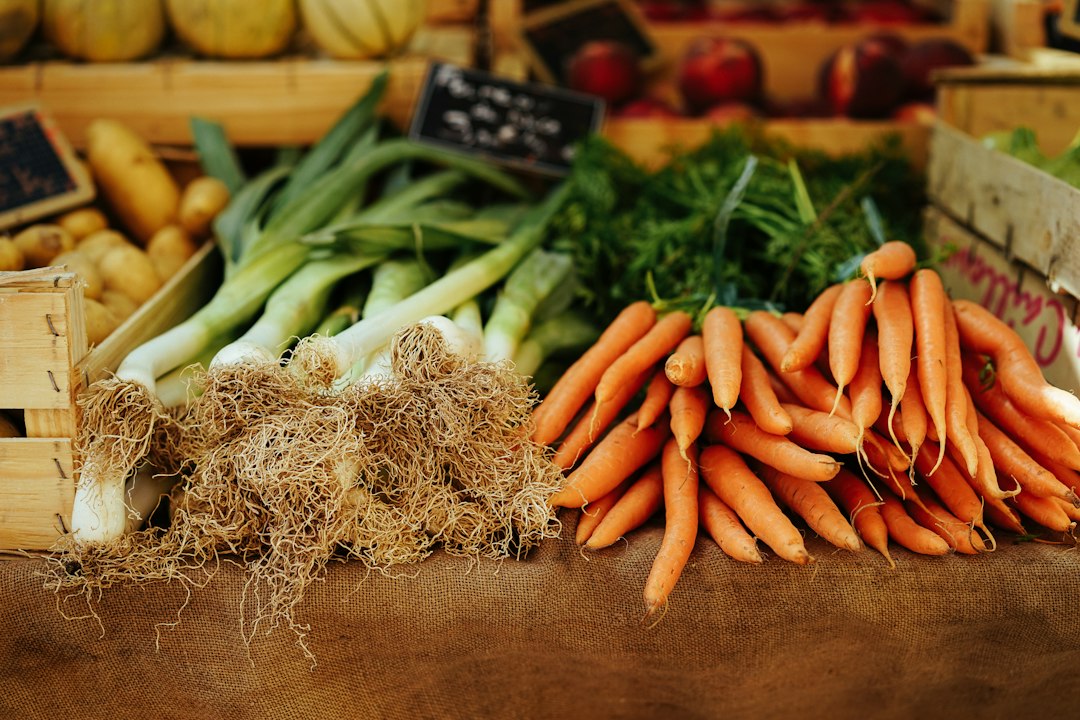
Tasmania's agrifood sector is built on a provenance advantage that is among the most commercially valuable in Australian food production: the island state's clean air and water, cool climate, isolation from mainland pest and disease pressures, and the deeply embedded consumer perception of Tasmanian produce as pristine, premium, and trustworthy create a brand premium that producers can translate into pricing above mainland Australian equivalents and, critically, above international competitors in the Asian premium food markets where Tasmanian branding is particularly powerful.
The dairy sector is Tasmania's largest agricultural industry by value, with the island producing a significant share of Australia's milk and processed dairy exports. The cool-climate pasture conditions that Tasmania's terrain and rainfall patterns provide create milk of exceptional quality for cheese, butter, and specialty dairy production that commands premiums in both the domestic premium food market and the export market where Tasmanian dairy branding is synonymous with quality. Producers who have invested in the downstream value-adding that cheese, artisan butter, and specialty dairy products provide — rather than supplying commodity milk to the major processors — are capturing more of the premium that the Tasmanian provenance creates.
Salmon aquaculture in Tasmania's pristine coastal waters has grown to a $1 billion-plus industry that is one of the island's most significant export earners and most contentious environmental debates. Huon Aquaculture and Tassal — the two major producers — operate farming operations across the waters of southern and southwestern Tasmania, producing Atlantic salmon that is sold through Australian supermarkets, food service, and export channels. The industry's commercial success and environmental scrutiny are both significant and will shape the regulatory framework within which the sector can expand over the next decade.
The berry, cherry, and cool-climate fruit sectors have grown as the Tasmanian provenance brand has been recognised in Asian premium markets where the "summer fruit in winter" novelty of Tasmanian cherries in December — which corresponds to summer in the Southern Hemisphere and pre-Christmas premium gift purchasing in Japan and Korea — has created export demand that Tasmanian cherry growers are investing to supply. The Asian premium fruit market access represents the highest-value sales channel for Tasmanian fruit producers and the primary driver of the orchard investment that is expanding production capacity.
This article was compiled by AI from the sources linked above and screened before publishing. See our editorial standards.