Tasmania's job market is experiencing a quiet renaissance, driven by a surge in renewable energy projects and infrastructure investment that is reshaping employment patterns across the state. New data released this month shows unemployment sitting at 3.8 percent—the lowest figure in five years—while recruitment agencies operating from offices in Sandy Bay and West Hobart report unprecedented demand for skilled workers.
The catalyst is unmistakable: battery manufacturing facilities, hydrogen pilot projects, and grid modernisation initiatives are attracting capital and talent to the island state. Employment agencies specialising in technical placements have reported a 34 percent increase in job requisitions since the start of 2026, according to the Tasmanian Chamber of Commerce and Industry.
Those already benefiting from this shift are the early adopters. Engineering recruitment firms operating along Elizabeth Street have hired additional staff to handle caseloads, while apprenticeship providers in the northern suburbs are expanding intake capacity. A local training provider based in Launceston noted that applications for electrical and renewable energy certifications have tripled year-on-year, suggesting workers are anticipating opportunity.
Construction trades are experiencing particular traction. Project managers, electricians, and civil engineers with experience in large-scale industrial projects command premium salaries—some positions offering 15 to 20 percent above the national average. This has created a talent war: firms are competing fiercely for workers with renewable energy experience, leading to wage growth that hasn't been seen in Tasmanian employment sectors for a decade.
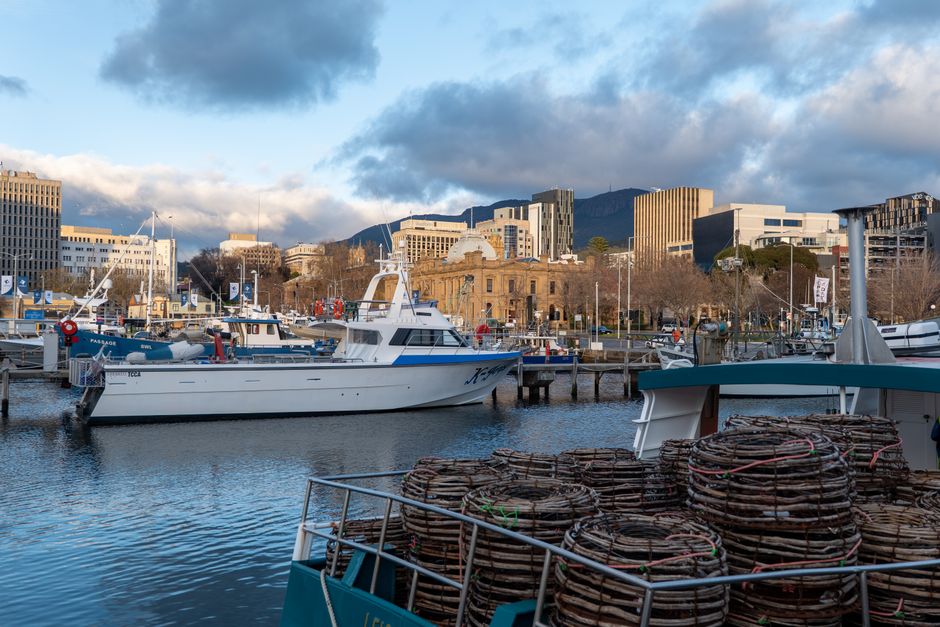
The spillover effects are spreading. Hospitality and accommodation providers in Hobart's CBD and around the Docklands precinct report increased bookings from interstate and international workers relocating for short-term contracts or permanent positions. Commercial real estate agents note that demand for office and warehouse space in areas like Glenorchy and Derwent Park has spiked, with energy companies and supply chain operators scouting locations.
However, not everyone is positioned to benefit equally. Workers without technical qualifications or trade certifications face a narrowing job market in traditional sectors. The hospitality and retail sectors, long mainstays of Tasmanian employment, are experiencing modest growth, leaving low-skilled workers with fewer options than they enjoyed even two years ago.
What's remarkable is the pace of this transition. Twelve months ago, energy sector jobs were a niche opportunity. Today, they represent the dominant force reshaping Tasmania's labour landscape—and the window for newcomers to establish themselves in these roles is closing as local skills pipelines tighten.
This article was compiled by AI from the sources linked above and screened before publishing. See our editorial standards.