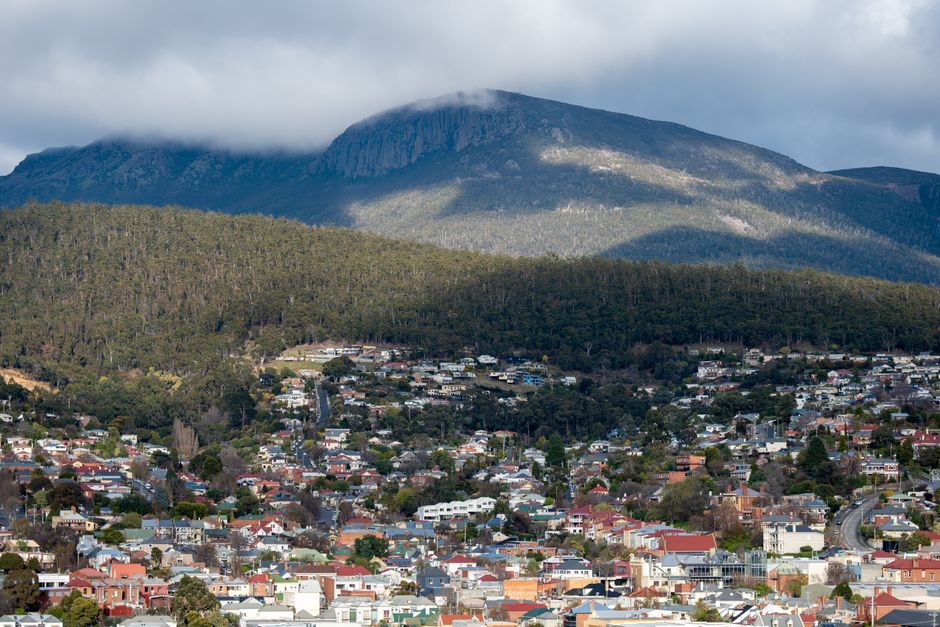
Tasmania's once-buoyant startup ecosystem is facing a tougher operating environment than at any point in the past three years, with founders and venture investors signalling mounting pressure from macroeconomic headwinds and intensifying competition for both capital and skilled workers.
The challenges are most acute in the innovation districts clustered around Salamanca Place and the emerging tech precincts along Davey Street, where early-stage companies that thrived during the pandemic boom are now grappling with leaner venture funding rounds, elevated operational costs, and difficulty retaining engineering talent to Melbourne and Sydney.
Data from the Tasmanian Startup Alliance suggests venture capital deployed locally in the first half of 2026 fell 34 per cent compared to the same period last year, with fewer than eight Series A rounds closed. Meanwhile, commercial office space in the city's premium innovation hubs has become significantly pricier. Landlords are commanding upwards of $450 per square metre annually for fitted workspace along the Hobart precinct—a 22 per cent jump since early 2024—making it harder for bootstrapped founders to secure affordable co-working arrangements.
The talent exodus is equally concerning. A survey of 47 growth-stage companies in the region found that 31 per cent cited difficulty recruiting mid-level software engineers and data scientists as a top business constraint. Generous relocation packages from eastern seaboard tech hubs and established corporations are actively poaching local talent, eroding the collaborative networks that once defined Tasmania's startup advantage.
Interest rate settings have also cooled investor appetite for riskier bets. Several micro-venture funds that operated informally across the city have wound back or paused new commitments, leaving a funding gap particularly acute for pre-seed and seed-stage ventures.
Industry advocates argue the ecosystem still possesses structural advantages—lower cost of living than competitor cities, a tight-knit founder community, and supportive state government policy—but warn that sustained inaction risks brain drain and a loss of momentum in sectors ranging from agritech to marine software and digital health.
Some operators remain optimistic. Incubation centres on Liverpool Street and specialist accelerators focused on climate tech and biotech continue to attract founders, and a handful of well-capitalised family offices have signalled increased interest in patient capital for locally rooted ventures. Yet without renewed focus on talent retention and targeted capital initiatives, stakeholders caution that 2026 may mark an inflection point for the sector's trajectory.
This article was compiled by AI from the sources linked above and screened before publishing. See our editorial standards.