Tasmania's tourism sector has become a reliable barometer for economic health, with visitor spending patterns and investment flows revealing deeper truths about the state's trajectory. Understanding these signals matters not just for hoteliers along Elizabeth Street or restaurateurs in Salamanca, but for anyone tracking Tasmania's position in the global economy.
Recent visitor data shows international arrivals have climbed 18 percent year-on-year, with average visitor spend reaching A$2,840 per trip—a metric that analysts monitor closely because it indicates whether tourists are simply passing through or genuinely investing in experiences. This matters: higher spend suggests visitors are booking accommodations in established precincts like Battery Point and dining at venues that employ local staff, rather than defaulting to chain operations.
The investment flows tell an equally important story. Over the past two years, approximately A$340 million in capital has flowed into hospitality development across Tasmania—a figure that deserves scrutiny. Foreign investment represents roughly 31 percent of this total, with significant backing from Asian hospitality groups eyeing long-term positioning in the Australian market. These aren't speculative bets; they're strategic acquisitions by operators with global experience.
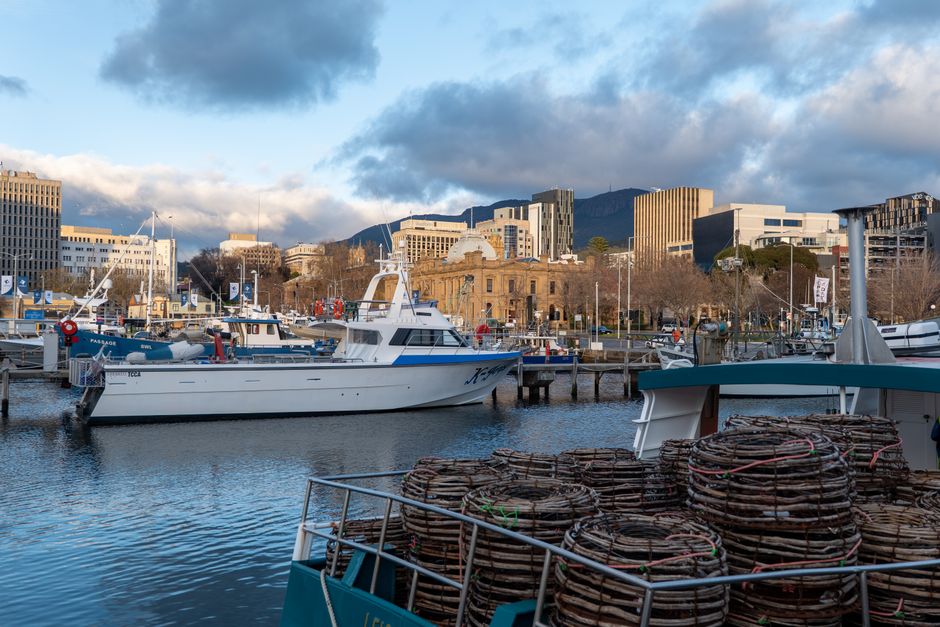
But here's where it gets complicated. While visitor numbers and investment volumes look healthy, occupancy rates in the mid-tier accommodation sector have plateaued around 67 percent during off-peak months. This suggests the market may be approaching saturation in certain segments, even as construction cranes continue appearing above the docks precinct and historic properties on Murray Street transition to boutique hotel formats.
Employment data reinforces the economic signal. Tourism-related jobs have grown to represent 12.3 percent of Tasmania's total workforce, but wage growth in hospitality remains below state averages—a classic indicator of an industry experiencing structural pressure despite headline growth figures. When job creation happens primarily in lower-wage sectors, GDP growth statistics can mask underlying income stagnation for workers.
The real economic story emerging from Tasmania's tourism metrics is one of transition rather than boom. Investment capital is flowing toward experiential tourism—wine trails around Coal River Valley, wilderness experiences in the southwest, and cultural venues in Hobart's CBD—rather than capacity expansion alone. This reflects global traveler preferences shifting toward authenticity and sustainability.
For policymakers and investors, these indicators suggest Tasmania's visitor economy will continue expanding, but perhaps more selectively. The question isn't whether tourism will drive growth, but whether that growth will translate into broadly distributed economic benefits or concentrate wealth in specific precincts and investor hands.
This article was compiled by AI from the sources linked above and screened before publishing. See our editorial standards.