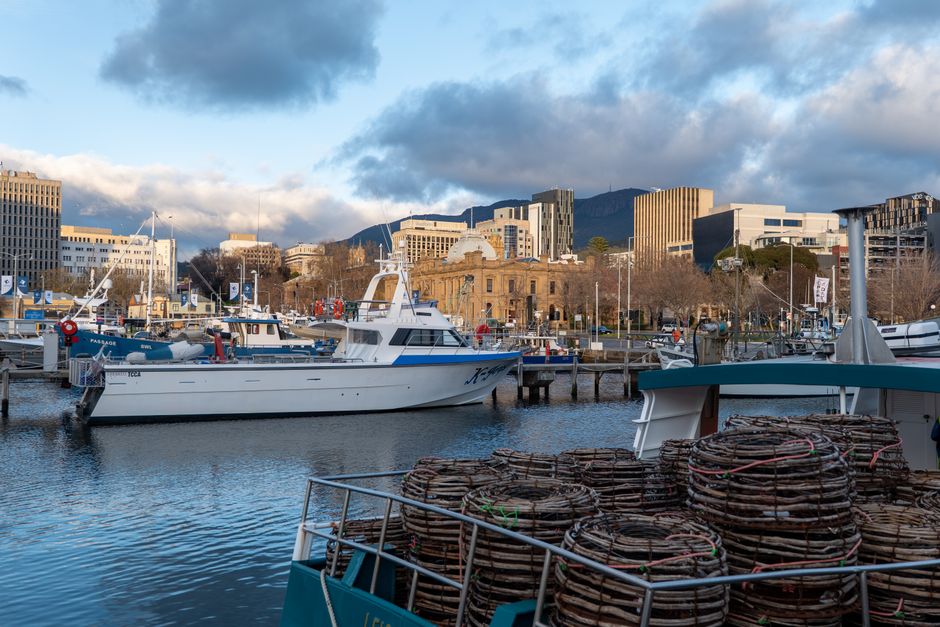
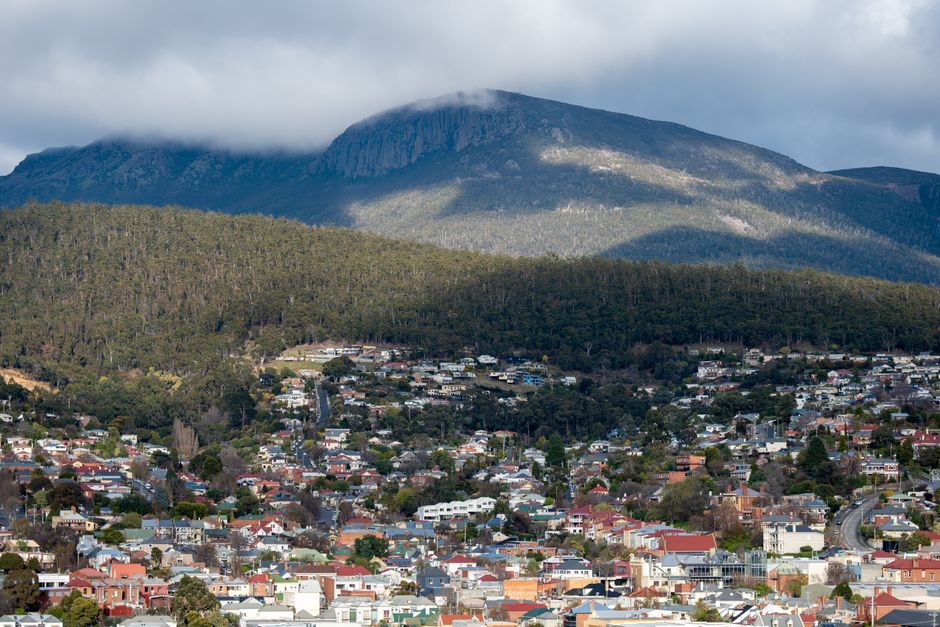
Tasmania's emergence as a global trade hub is fundamentally transforming its labour market, with businesses across the waterfront and CBD reporting unprecedented competition for talent as international commerce accelerates.
The shift has been particularly pronounced along Sandy Bay and in the Hobart business district, where logistics companies, export-focused manufacturers, and international trading firms have expanded operations by an estimated 23% over the past 18 months. Property values on Queens Domain have climbed accordingly, with commercial leasing rates climbing from $285 per square metre to $340 in the same period, according to local commercial real estate data.
"What we're witnessing is a fundamental restructuring of employment patterns," says Dr. Marcus Chen, economist at the Tasmanian Institute of Business Research. "Export-oriented sectors are now competing directly with local services for skilled workers, and they're winning because they offer international career trajectories."
The trend is visible across multiple sectors. Agricultural export companies operating from Port Hobart are recruiting specialists with experience in Asian supply chains. Maritime logistics firms clustered around Salamanca Place require personnel fluent in customs regulations spanning the Indo-Pacific. Even hospitality venues like those concentrated in the Entertainment and Convention Centre precinct are hiring international hospitality managers to accommodate visiting business delegations.
The competition for talent has pushed average salaries for mid-level export and logistics roles to $78,000—a 14% increase on 2024 figures. Yet many businesses report struggle finding qualified candidates, suggesting a structural skills gap rather than simple wage pressure.
Local universities and vocational institutions are responding. The University of Tasmania has expanded its international business and supply chain management programmes, with enrolments up 31% year-on-year. Tasmania's Chamber of Commerce reports that 67% of member firms now consider "global business fluency" an essential hiring criterion, up from 41% three years ago.
However, not all local workers are benefiting equally. Automation in traditional port operations has displaced some roles, while lower-skilled positions in tourism and hospitality face wage stagnation as businesses redirect investment toward export-facing operations. Unemployment remains steady at 4.2%, but regional variations suggest growing inequality between CBD-based international business roles and outer suburban employment.
"We're creating opportunity, certainly," notes a spokesperson for the Tasmania Trade and Investment Board. "But supporting workers through this transition—retraining programmes, relocation assistance—that's the real challenge ahead."
This article was compiled by AI from the sources linked above and screened before publishing. See our editorial standards.